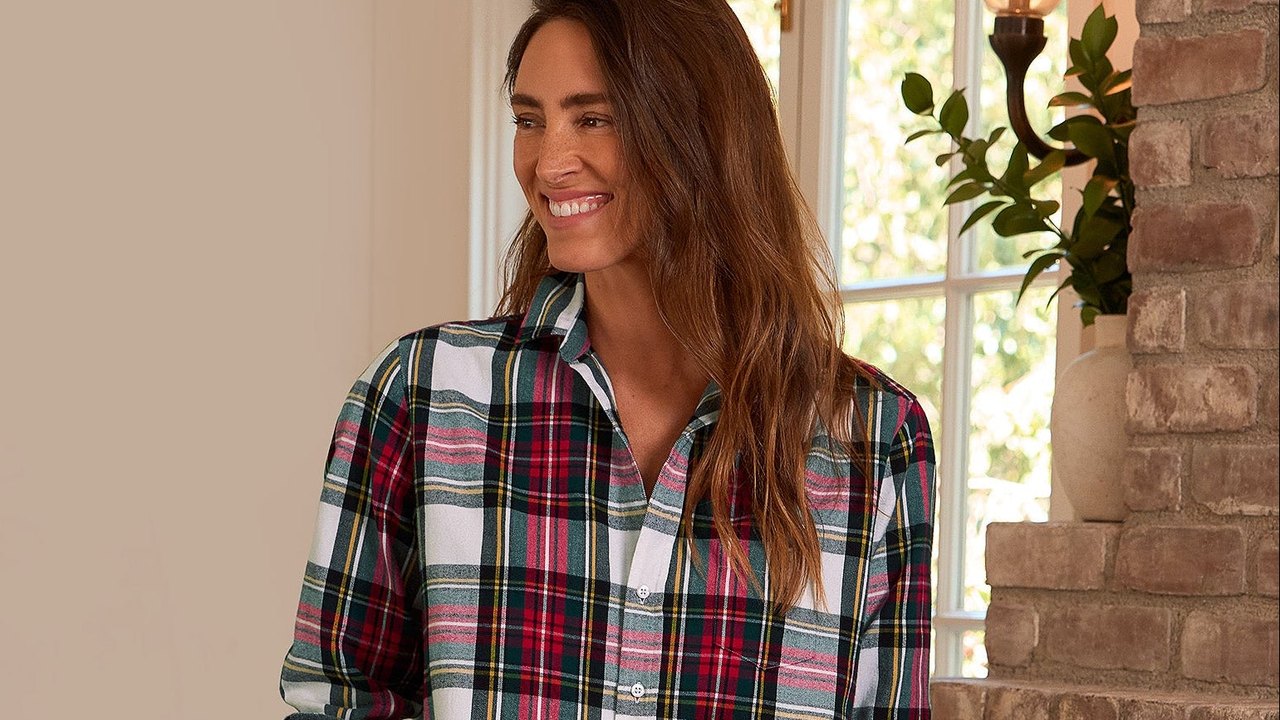
There is a particular kind of sticker shock that happens at the checkout of a $258 button-down. I felt it. Then I wore the shirt for a month and understood what the price was actually buying.
Frank & Eileen is not a new label. It has been around since 1947, built on one idea: the perfect white shirt, re-cut so it feels lived-in rather than starched. The Eileen — named for one of the two founders — is still the centre of everything they make. Everything else in the store is a variation on that premise.
The shirt that explains the whole brand
Put on the Eileen and the first thing you notice is that it does not feel like a dress shirt. The body is relaxed, the shoulders drop slightly, and the single chest pocket sits where you would actually reach. It is cut to be worn open, sleeves pushed up, over a T-shirt or nothing at all.
The second thing you notice is the fabric. Their Italian cotton has a weight and a softness that budget shirts simply do not have, and it improves with washing rather than degrading. The mother-of-pearl buttons catch the light differently from plastic. These are small things, but they are the things your hand registers every time you put it on.
By week three I stopped thinking about the shirt, which is the highest compliment I can give a piece of clothing. It had become the default.
A note on sizing
The Eileen is deliberately oversized, and this is where most first-time buyers get it wrong. If you take your usual size you will have a relaxed, dropped-shoulder fit — which is the point. If you want something closer to a conventional shirt, size down. I am normally a medium and kept the medium, then found myself rolling the sleeves once and leaving them; the extra fabric is what makes the shape work.
The one measurement worth checking is the shoulder. Because the seam sits low, a very broad or very narrow shoulder can make the whole thing read as a borrowed shirt rather than a chosen one. It is a look, but it is a specific look, and it is not for everyone. If you are between sizes and unsure, the brand's own customer service is genuinely useful here — this is one of the few labels where asking is worth the effort before you commit to $258.
The fabrics, compared
The same silhouette comes in several cloths, and choosing between them matters more than choosing between the styles.
The plain Italian cotton is the year-round workhorse: smooth, mid-weight, and the one that softens fastest. The flannel is warmer and softer again, with a brushed surface that looks slightly dressier than you would expect — good for winter, less good if you run hot indoors. The washed velvet is the outlier, a dressier option that reads as evening wear rather than everyday. And the corduroy, used on the Rory trouser and some shirts, has an even pile and a depth of colour that cheaper corduroy does not reach.
If you are buying one shirt, buy the cotton. It is the version the brand built its reputation on, and the one you will wear the most.
What the money actually buys
A $258 shirt is not four times better than a $65 shirt. It is better in four specific places:
- Fabric. Italian cotton that softens with wear and holds its shape. Cheap cotton pills, thins and goes grey at the collar after a season.
- Construction. Finished seams, a collar that keeps its roll, buttons sewn to stay. These are invisible on day one and obvious on day two hundred.
- Cut. The relaxed body skims instead of clings. It works over a T-shirt in a way that a tailored shirt never quite does.
- Longevity. This is the real argument. Worn twice a week for two years, the shirt costs about $2.50 a wear. A $40 shirt replaced every season costs more, and looks worse the whole time.
None of that is magic. It is just the difference between a garment made to be worn and one made to be sold.
What I would buy first
The Eileen, in white or the seasonal plaid, in the fabric that suits your climate — cotton for most of the year, Italian flannel or corduroy for cold months. It is the piece the brand does better than anyone else, and the one you will reach for most.
If you want the full head-to-toe look, the Rory corduroy trouser is what makes the set read as intentional rather than accidental. The knits — the Montecito and the Cotswolds — are beautiful, and at $398 to $568 they are the hardest things on the site to recommend without hesitation. Beautiful, yes. Necessary, usually not.
Caring for it, so it actually lasts
The cost-per-wear argument only holds if the shirt survives the years you are dividing across. That means washing it cold, on a gentle cycle, and hanging it to dry. The cotton is preshrunk, so a normal wash will not change the shape, but a hot dryer will age the buttons and the collar faster than anything else you can do to it.
A warm iron while the fabric is still slightly damp restores the crispness without flattening the relaxed cut. Skip the bleach, and skip the dry cleaner unless the care label specifically calls for it — these cottons are made to be washed, hard and often, and treating them like silk misses the point of owning one.
I have washed mine close to a dozen times now. It is softer than the day I bought it and shows no pilling at the cuffs, which is more than I can say for shirts at a third of the price.
When to buy
There is no real sale season here. Frank & Eileen does not discount the way high-street labels do, and when pieces do go on offer it is usually a specific colour or a past season's fabric rather than the core white shirt. That is actually a point in its favour — the full-price item you buy in March is the same full-price item in November, so there is no reason to wait and risk your size selling out.
The exception is the seasonal flannels and velvets, which do rotate. If you want a specific plaid, buy it when you see it. If you want the classic cotton shirt in white, it will be there.
What to skip
Anything you are buying only because it is in the holiday gift guide. The strength of this brand is the shirt and the separates built around it, not novelty pieces. If a colour or print will not still look like you next year, leave it.
I am also wary of buying the whole matching set at once. Buy the shirt first, live in it for a month, and then decide whether the matching trouser actually earns a place. It usually does — but find that out with your own wardrobe, not mine.
The honest verdict
Frank & Eileen makes very good clothes and asks a high price for them. The price is defensible when you wear the pieces often and keep them for years; it is not defensible if you are looking for a quick trend fix. This is buy-it-once clothing, and it only makes financial sense if you are the kind of person who actually will.
For the shirt alone, I would pay it again. For the rest, I would choose carefully.